Role
Team member · Mechanical team lead · Pilot · AI R&D
My work on autonomous systems began here: a fixed-wing fighter UAV built with a university team across three Teknofest seasons, which took first place in Türkiye. I led the mechanical workstream, flew the aircraft in competition and worked on autonomous pathfinding in the AI R&D sub-team.
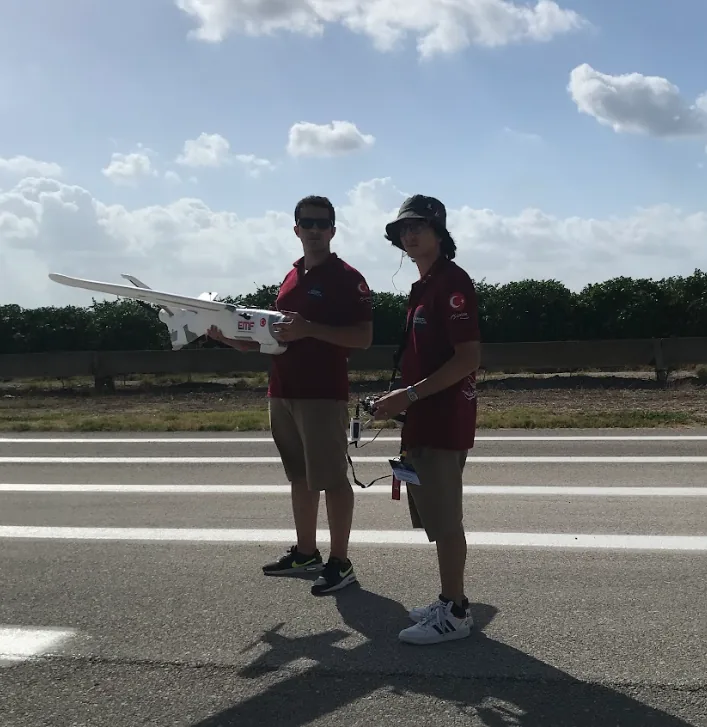
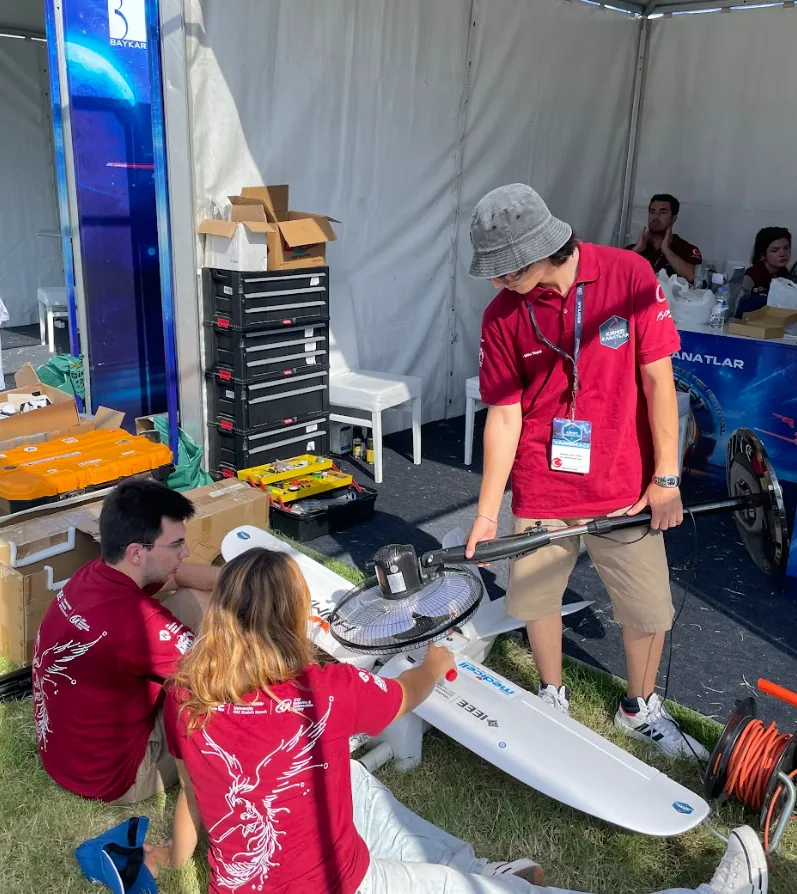
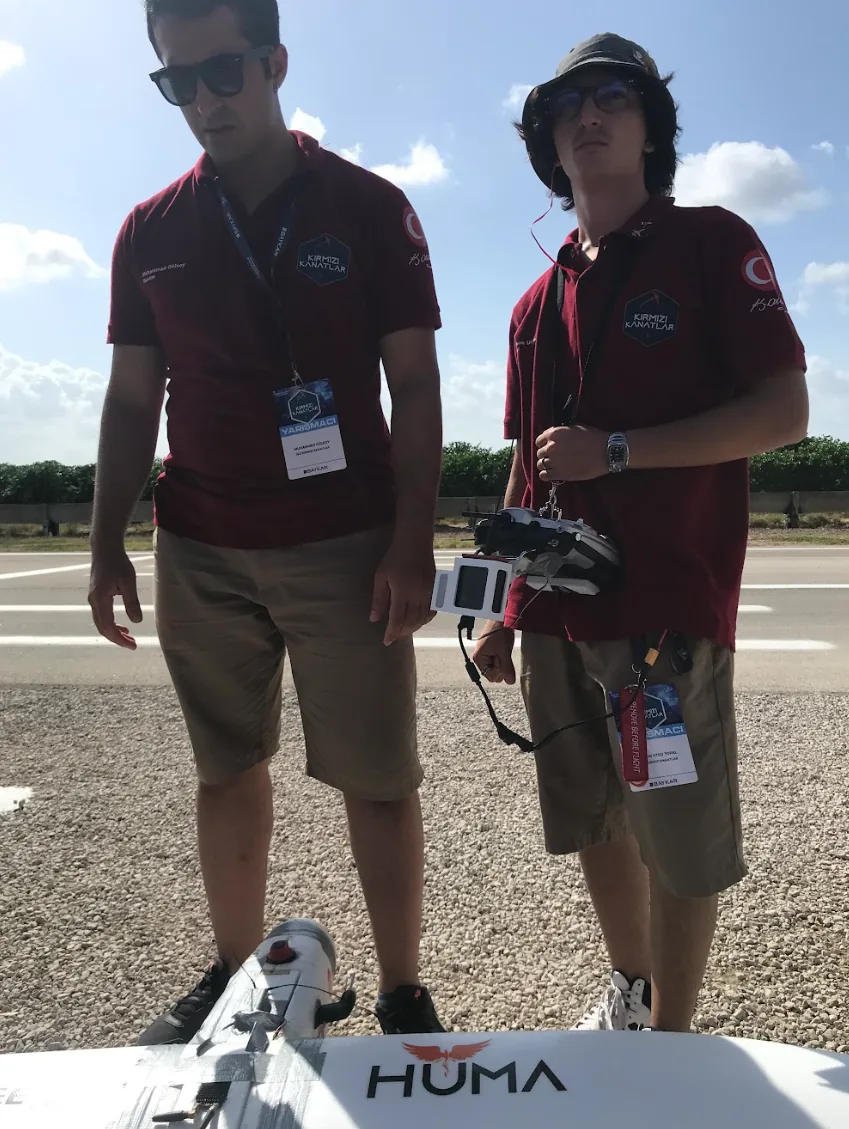
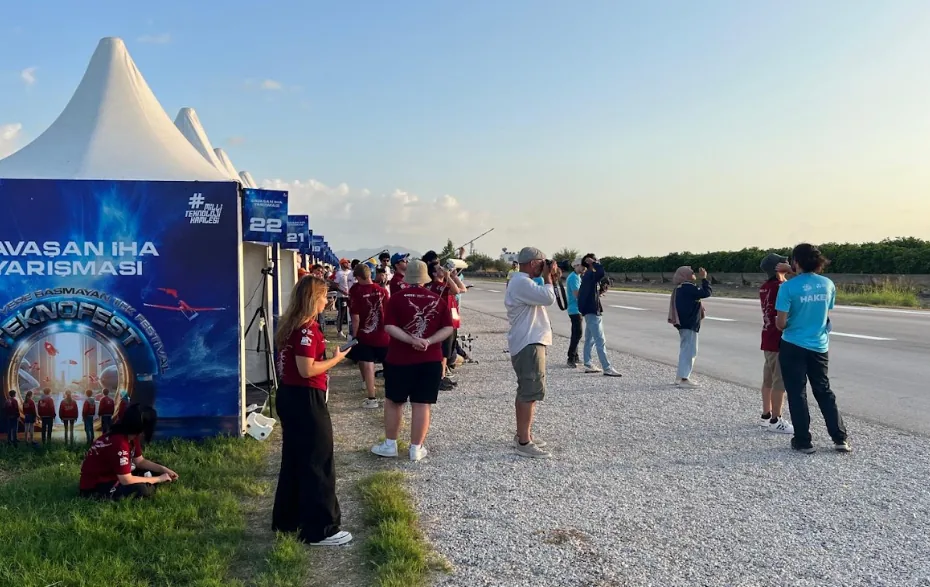
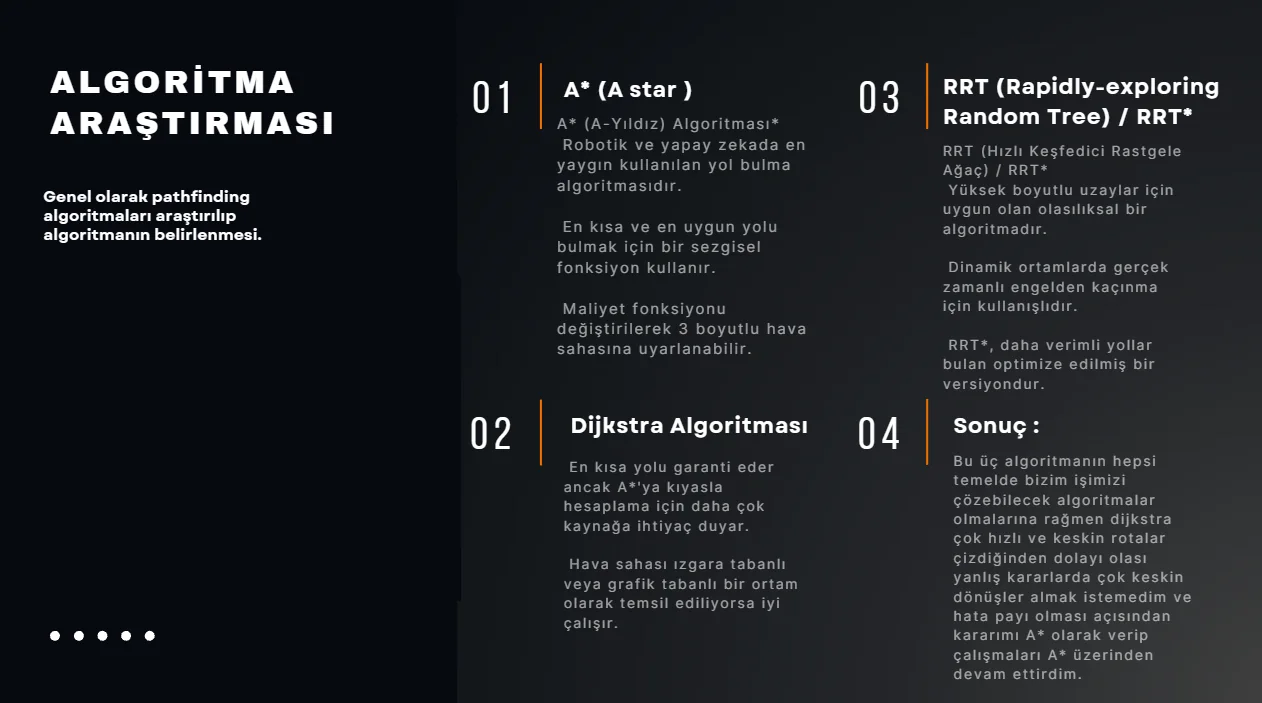
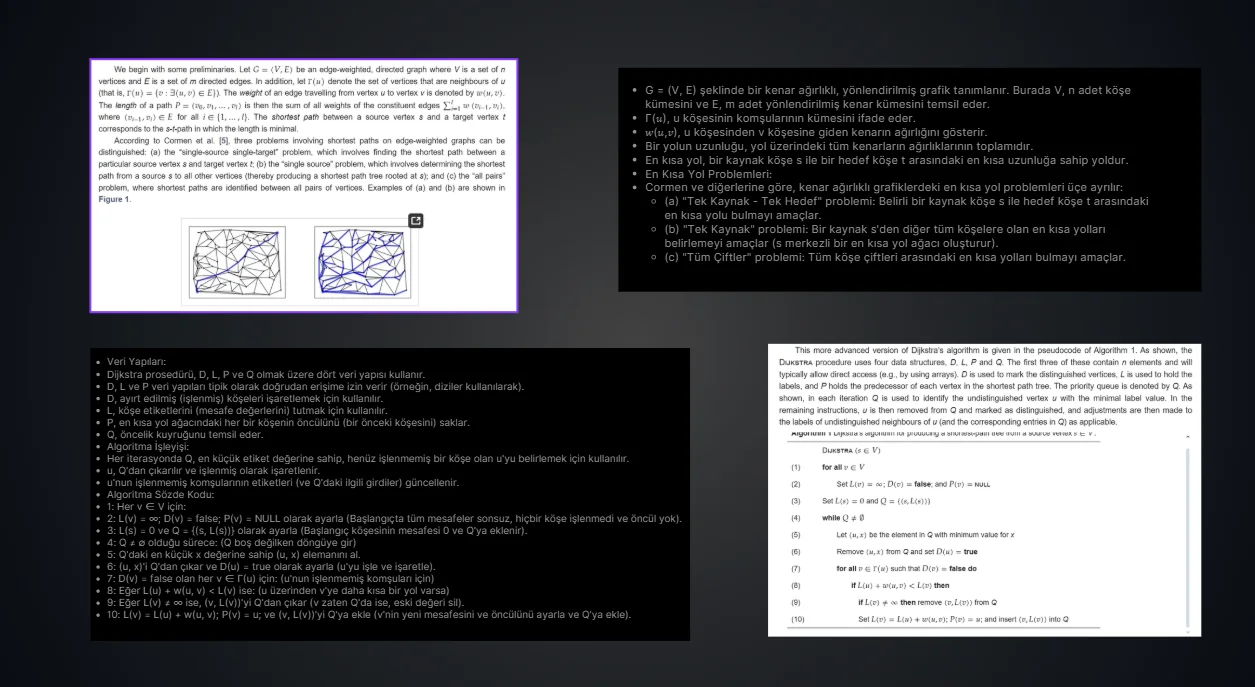
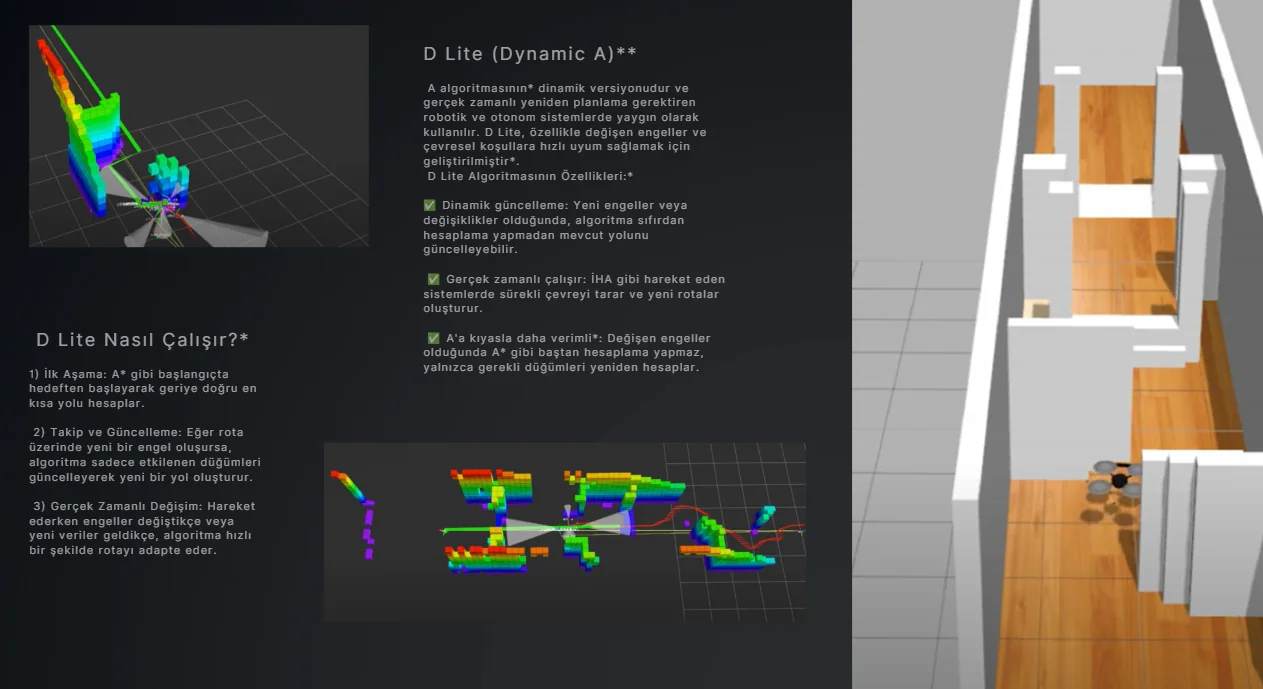
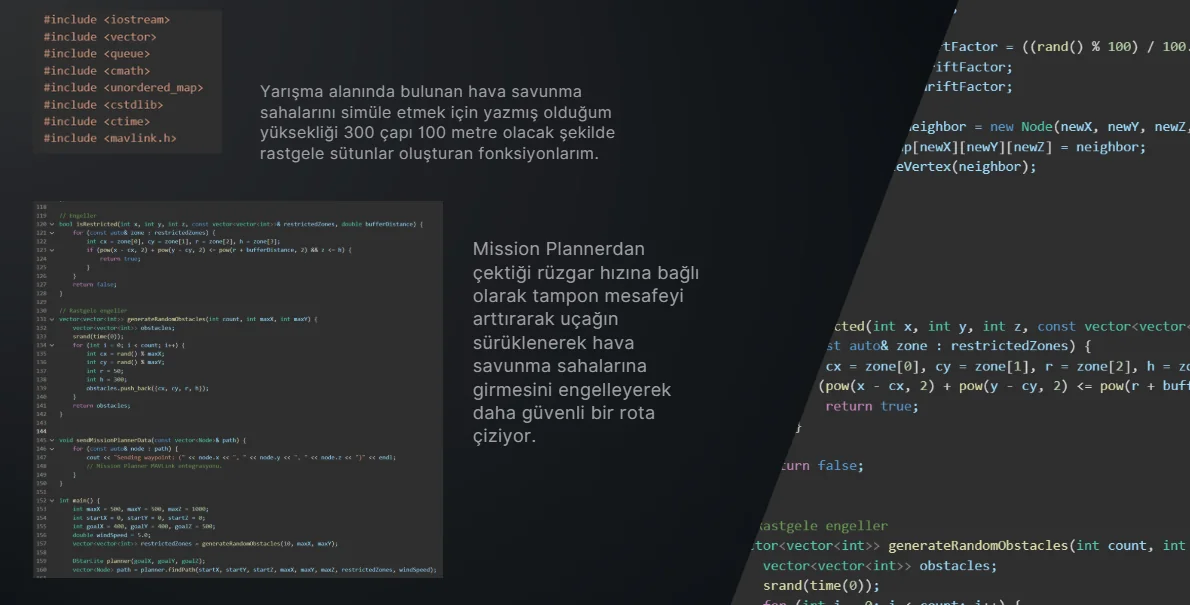
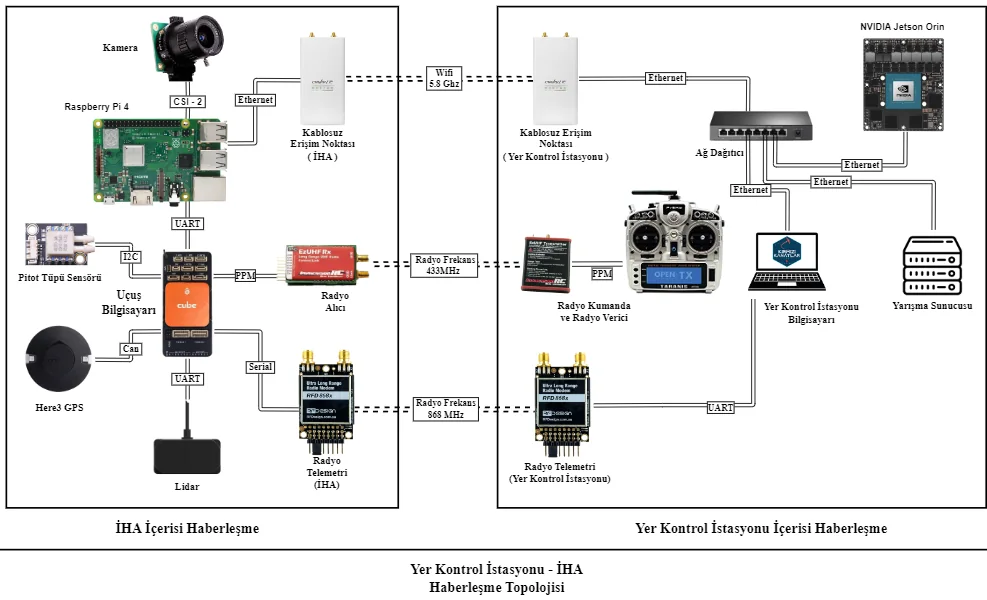
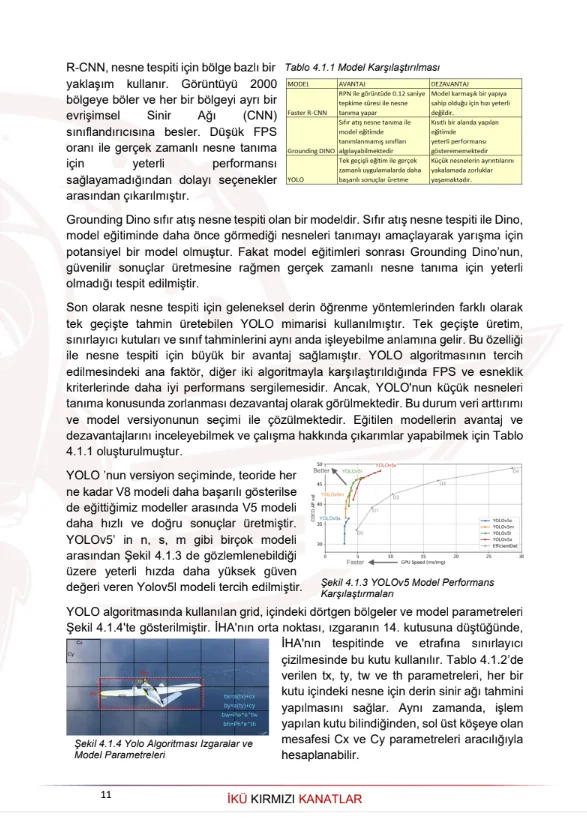
The first four documents are mine; the last two come from the İKÜ Kırmızı Kanatlar team’s joint critical design report.
Teknofest is Türkiye's largest aviation and technology festival, and the Fighter UAV category is one of its hardest. Each year teams design and build a fixed-wing UAV, fly it, and compete through an airborne mission: object recognition, autonomous waypoints, target lock. You are up against dozens of university teams from across the country.
I joined the team in my first year and stayed for four competition seasons.


This project sits underneath everything I have built since. A UAV is not a codebase; you cannot patch it at two in the morning. Mission day is the exam, and physics marks it. That discipline — get it right the first time, verify against reality, treat every subsystem as a suspect — carries straight into AI work where safety matters.
The other half was the team environment: mechanical, electronics and software people speak different languages, the deadline presses, and the competition calendar does not slip by a single day. Every professional environment I have worked in since has felt easy by comparison.